Terroir & Tenderness: The Artisan Kitchens of Uji and Nara
By Mae Takahashi • Photography by the 111111 Culinary Archive
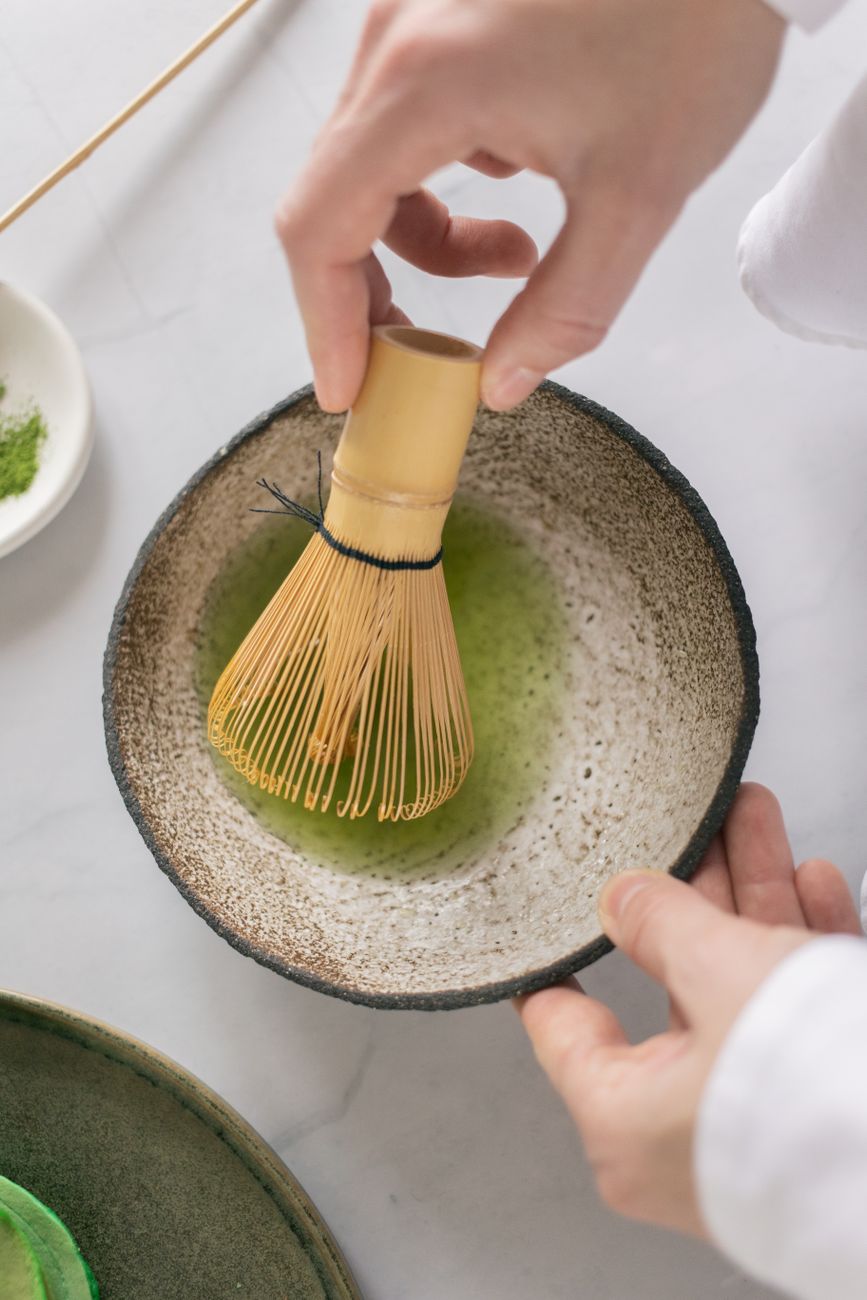
The quality of matcha is not determined in the whisk; it is decided in the shade cloth suspended three weeks before harvest, where Camellia sinensis bushes are starved of sunlight to force chlorophyll to the leaf's outer edge.
Walking through the quiet terraced hills outside Uji at dawn, humidity drifts upward from the river basin. Master grower Kenji Mori kneels among forty-year-old bushes, inspecting the downy underside of infant shoots. His family has occupied this parcel since the late Edo era, recording daily precipitation, cloud density, and earthworm frequency in bound cloth journals.
Fermentation as Temporal Architecture
In nearby Nara, thirty miles south along rural country roads lined with weeping persimmon trees, artisanal food production operates on geological time. At a cedar-walled brewery founded in 1711, soy sauce matures in twelve-foot wooden vats bound with hand-twisted bamboo rope.
Here, the micro-organisms—beneficial fungi and wild ambient yeasts—inhabit the very roof beams of the building. To power-wash the rafters would destroy three centuries of accumulated flavor character. As the master brewer stirs the mash with a heavy wooden oar, the aroma is rich with caramel, roasted wheat, and sea minerals.
“Industrial flavor seeks immediate gratification. Ancestral gastronomy demands patience, humble observation, and absolute deference to the seasons.”
The Weight of Rough Ceramic Bowls
To experience Japanese cuisine without appreciating its ceramic vessels is like hearing music played on broken instruments. In traditional dining houses (kappo), each course arrives in a bowl chosen specifically to complement the meteorological mood of the day. A rough, unglazed Shigaraki dish anchors a warm autumn stew, while delicate Celadon reflects clear winter sunlight.
When you lift the vessel to your lips, the tactile surface informs the nervous system prior to the first bite. Food ceases to be caloric fuel and transforms into a dialogue between earth, artisan, and diner.
Guidelines for the Respectful Guest
- Observe Silence in Sacred Spaces: Keep cellular devices concealed and silent throughout tea ceremonies and traditional dining courses.
- Never Wear Outdoor Footwear: Step directly onto raised tatami mats without touching the lower threshold stone with bare socks.
- Arrive Exactly on Time: In artisan kitchens, broths and steam temperatures are timed to the minute of your reservation.